
 1 hour ago
10
1 hour ago
10
ARTICLE AD BOX
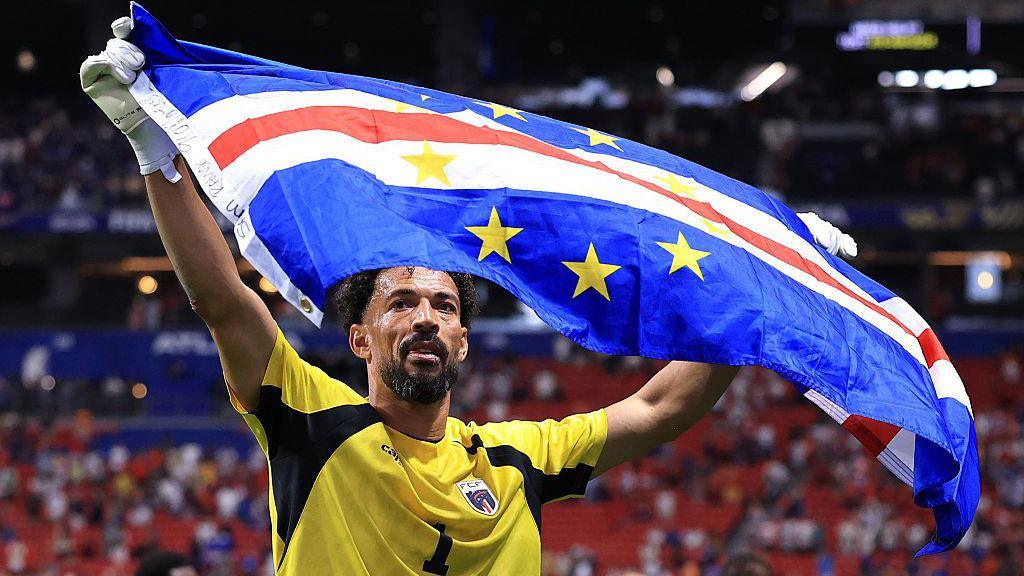 Image source, Getty Images
Cape Verde goalkeeper Vozinha was named man of the match in the goalless draw with Spain
By
Football tactics correspondent
This 48-team World Cup has produced some intriguing match-ups and several impressive performances by lower-ranked sides against the world's top teams.
Cape Verde, Curacao, Ghana and South Africa - ranked 64th, 81st, 65th and 54th respectively - have taken points from Spain (3rd), Ecuador (29th), England (4th) and South Korea (28th) so far.
Are these early tournament surprises a matter of luck, or clever planning and execution?
A deeper delve into what happened in the games that produced those unexpected results reveals a number of common patterns.
Cape Verde's 0-0 draw against Spain was perhaps the biggest upset of the tournament so far and it was also perhaps the most tactically impressive.
The third-smallest nation in World Cup history stifled Spain through their 4-5-1 defensive shape. Key to their success was the fact gaps between their midfield line and defensive line were very small.
Against such a challenge, high-possession sides look to pass the ball backwards, hoping to entice the opposition to step up the pitch.
When Spain passed it back, expecting the midfielders to engage and create space between them and the defenders, Cape Verde didn't take the bait, instead keeping their shape compact.
The Spain defenders then carried the ball forward looking to trigger a reaction but the Cape Verde players, again, held their shape until late.
Spain, as a result, found it difficult to find players inside the block. Their remaining solutions were therefore either around Cape Verde or over the top of them.
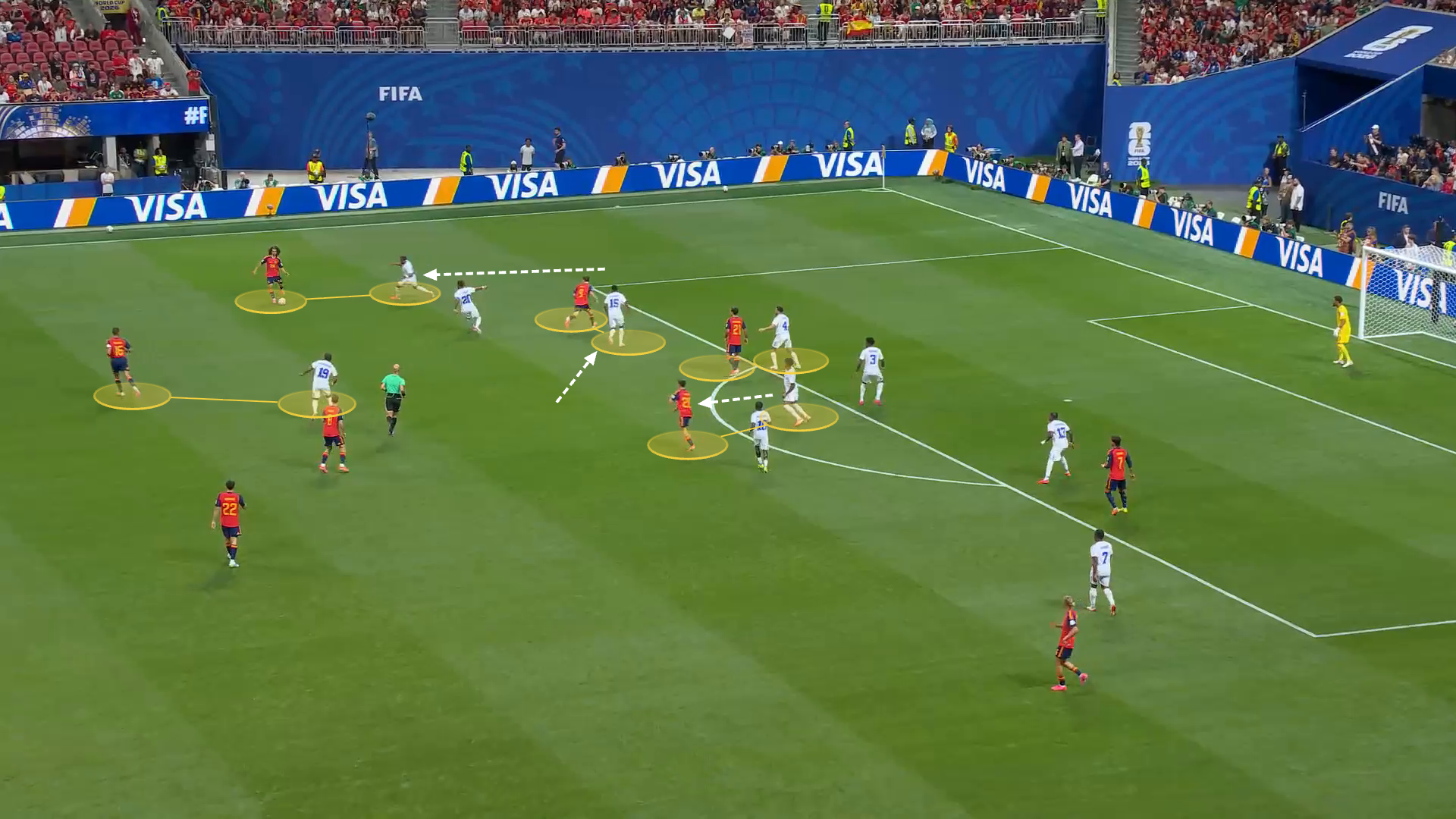
Cape Verde ensured there was minimal space between their defensive and midfield lines. If a player was nearby, they applied pressure, but if Spain passed it backwards, they didn't venture forward in order to stay compact
This exact pattern was seen in Ghana's defensive set-up against England too.
England under Tuchel have placed an even greater emphasis on dropping deep to entice pressure before quickly attacking the space that opens up.
Ghana prepared for this by setting up in a compact formation. Jordan Ayew took a position higher up the pitch to man mark Elliot Anderson but the rest of the side, like Cape Verde, set up in two lines just outside of their penalty areas, giving up no space between the lines.
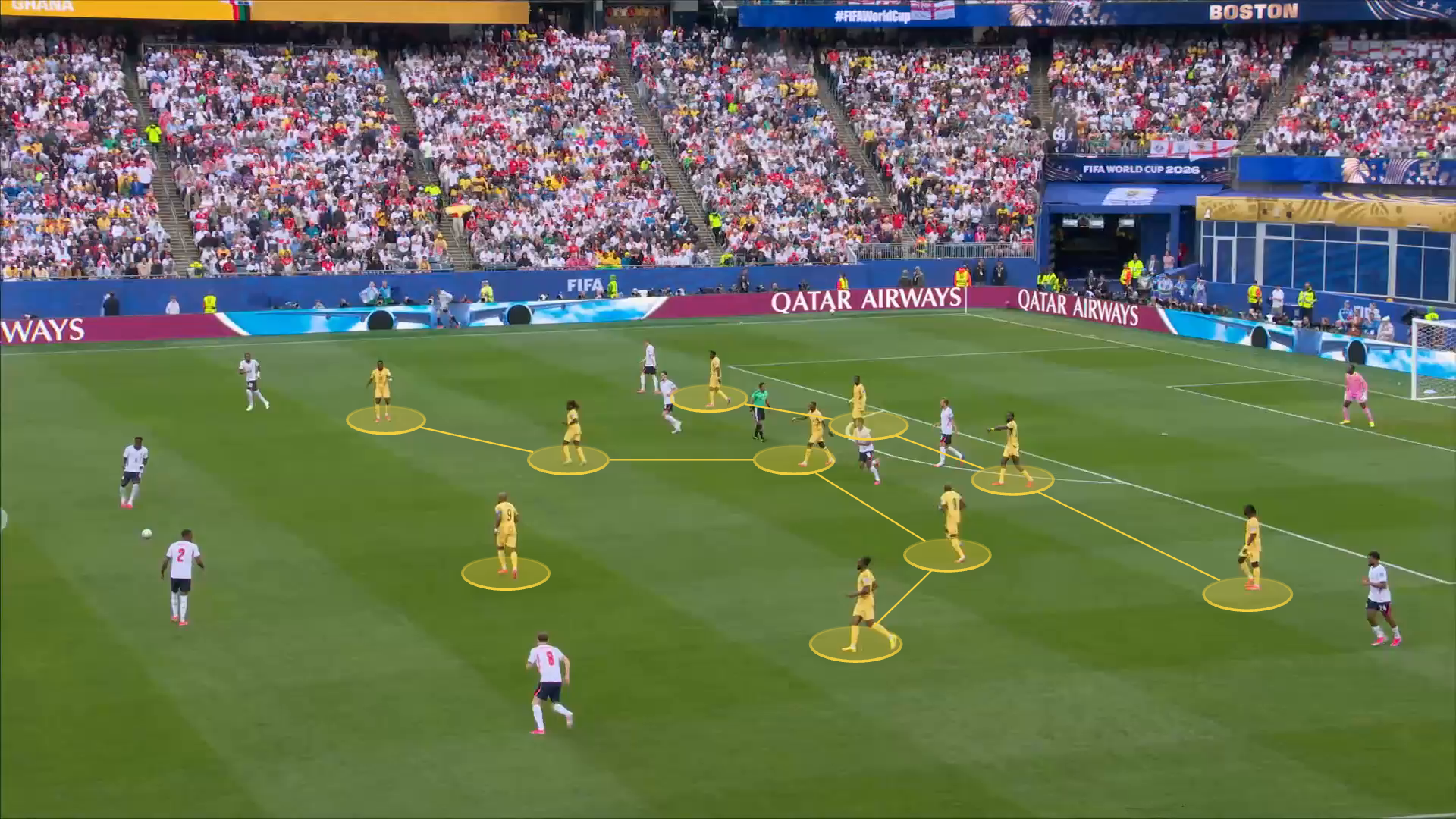
Here we see Ghana hold a similar shape - a vertically compact 4-5-1. They allow Guehi and Konsa to have uncontested possession, instead focusing on preventing more dangerous players from affecting the game from more dangerous positions
Both sides' refusal to apply pressure when the opposition attempted to tease them out is best illustrated by a statistic that looks to quantify how intensely a team presses.
'PPDA' stands for 'opposition passes allowed per defensive action'. The higher the number, the less a team has been able to interrupt opposition spells of play.
In Cape Verde's draw to Spain, their average PPDA was 51.2 to Spain's 5.9.
In the first 15 minutes of Ghana's match against England, their PPDA was 62.
Both underdog sides were passive and deliberately so.
Interestingly, both Ghana and Cape Verde did increase the amount they pressed as the game went on. This could partly be explained by teams, such as Ghana, looking to take greater initiative and risk, hoping to snatch the game at the end.
Cover the width of the pitch
To understand why some underdogs have done well, it makes sense to analyse where others have, in contrast, been exploited.
Saudi Arabia's loss to Spain best highlighted a key flaw seen across many sides who 'park the bus'.
On the face of things, five defenders suggest a team should be better equipped to defend - but the opposite was true.
Saudi Arabia in their back five lacked clarity and were drawn to the player on the ball too often.
In their low block, their midfield four shifted towards the ball-side of the pitch more than they should have. This meant they failed to cover the width of the pitch. Recognising this, Spain switched the ball well, often from left to right.
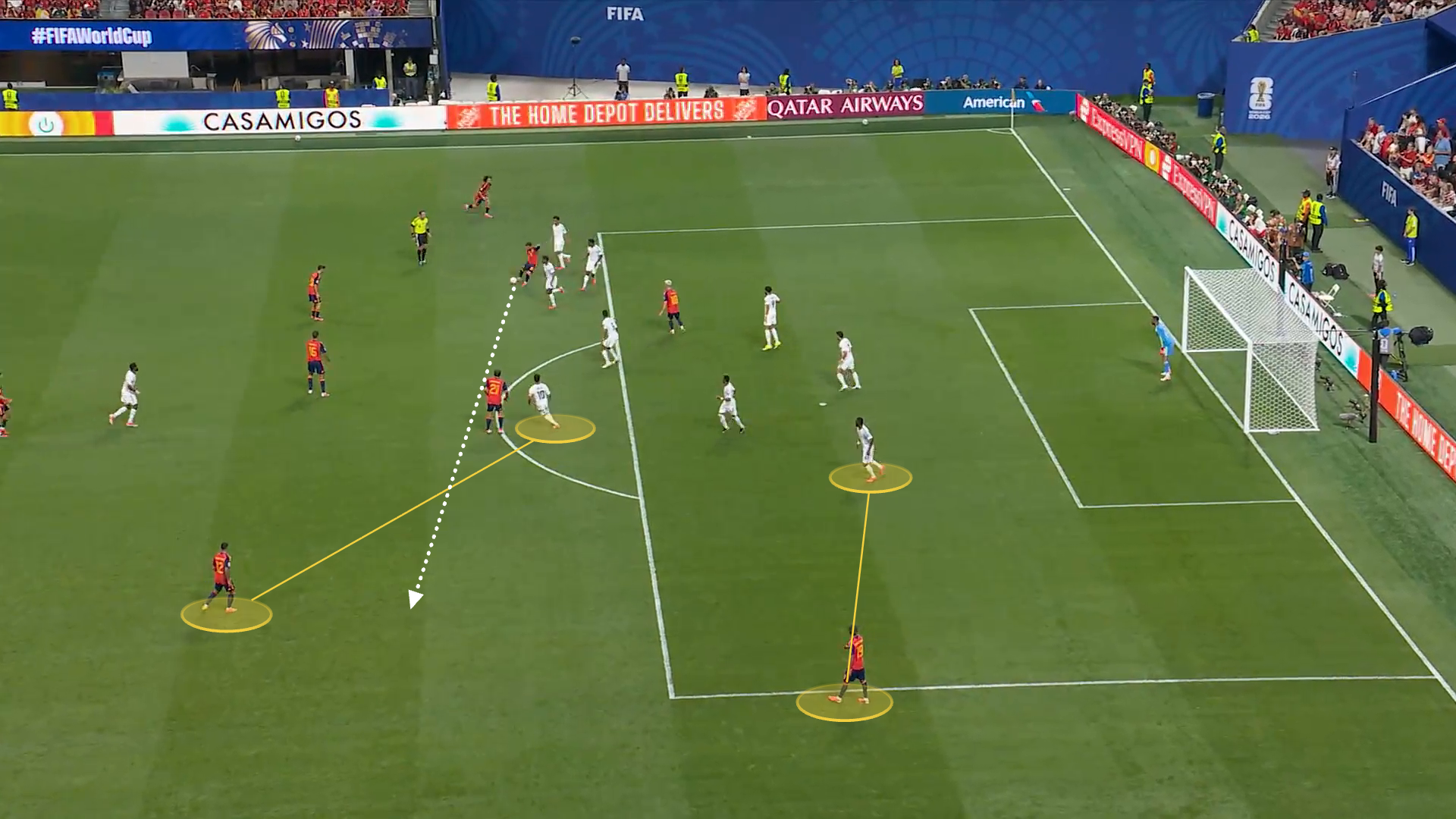
Saudi Arabia move towards the ball as a team. In yellow, it is clear that Saudi Arabia's left midfielder and left wing-back are positioned far from Spain's right full-back and winger if the ball is switched
Lamine Yamal and Pedro Porro found themselves in two-against-one situations against the Saudi Arabia wing-back and this overload led to Spain's third goal.
The wide midfielder, drawn to the ball, struggled to get back across to apply pressure on to Porro when the ball was switched. The wing-back failed to step out to Porro too, knowing that if he did, Yamal would have been free.
With time and space on the ball, Porro played a cross to the back post which was knocked into a more central position for Mikel Oyarzabal to tap in.
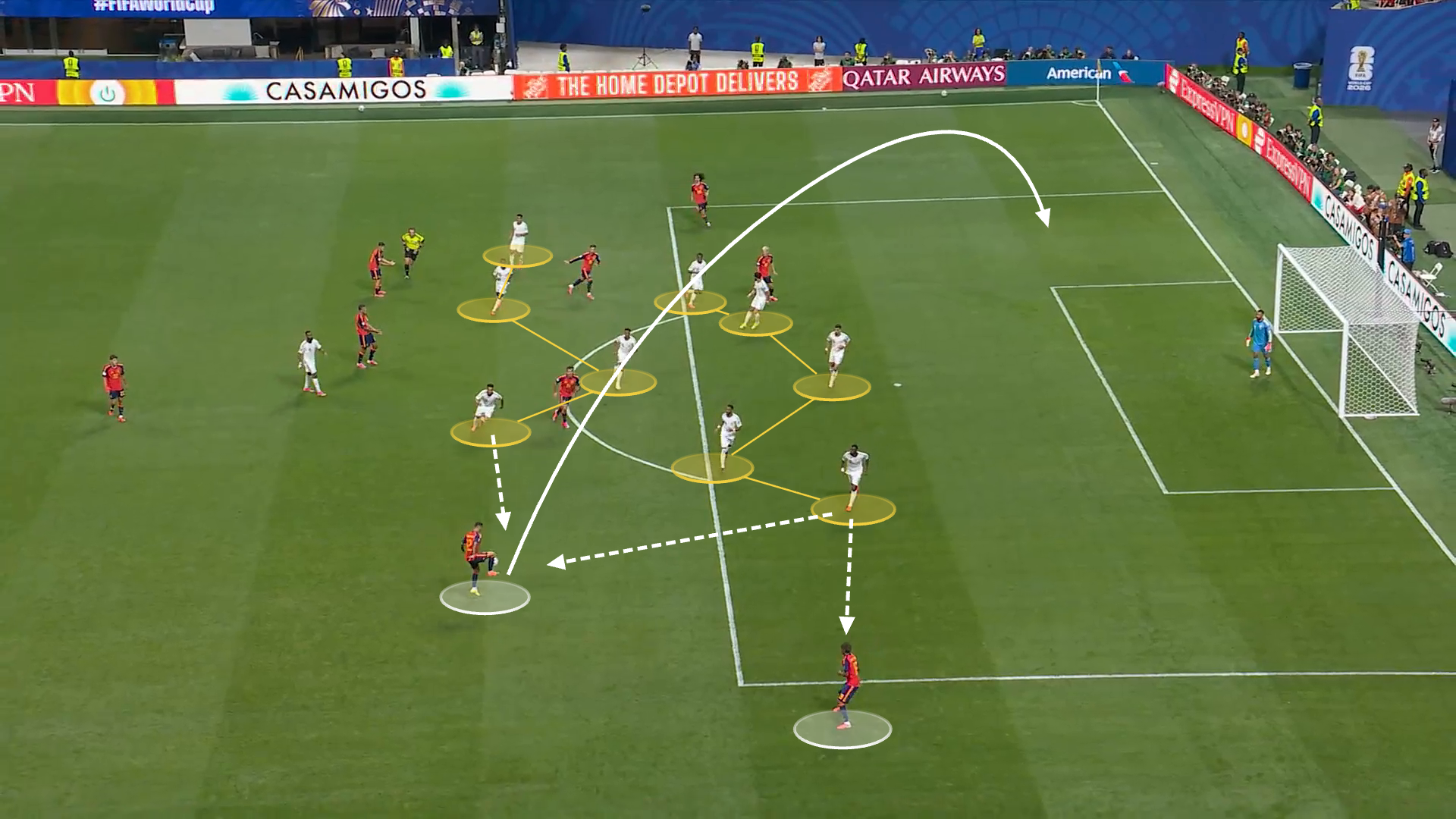
Porro finds himself free with no Saudi Arabia player positioned to close him down quickly. His cross to the back-post leads to a Spain goal
Sweden, ranked 36th and underdogs in their game against the eighth-ranked Netherlands, lost 5-1 because of the same defensive frailty. Having just three midfielders in their 5-3-2 shape gave them even less coverage of width in midfield, compared to Saudi Arabia's four-man midfield.
The Netherlands used their right-winger to pin Sweden's left wing-back deep.
As Sweden's midfield three moved towards the ball, Denzel Dumfries, from a deeper starting position, made good forward runs that were not picked up.
Sweden failed to cope with this two-against-one situation and improved only when they moved to a 4-5-1 shape - as Cape Verde and Ghana did - later in the game.
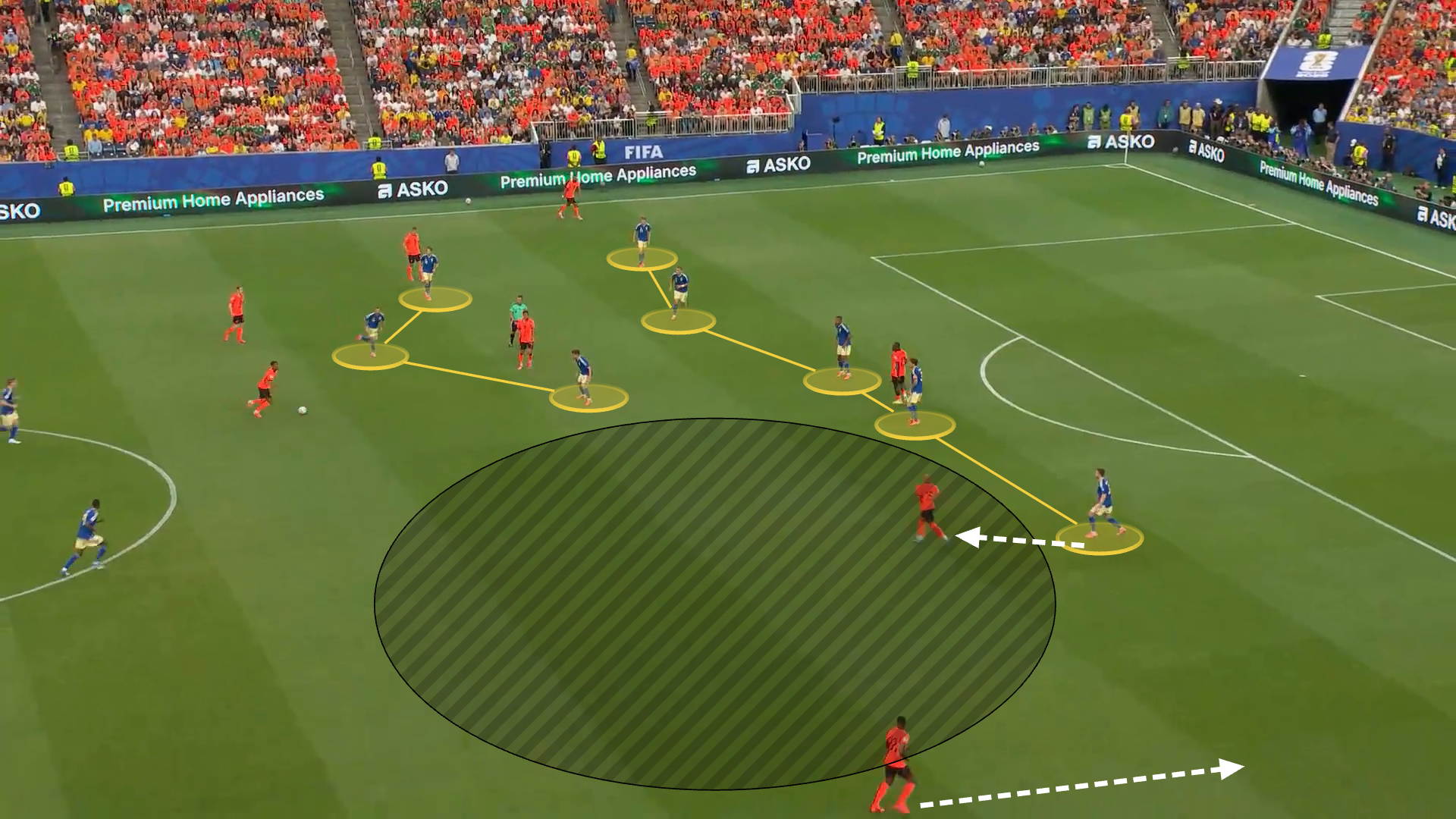
Here we see the flaws of Sweden's 5-3-2 shape. The midfield are unable to cover the width of the pitch, getting drawn to the ball. Malen pins the wing-back in-field and Dumfries is unmarked out wide
Attract the press then go long
And lastly, if teams are going to get results against strong opposition, they ideally need to pose their own threat on the ball.
South Africa took 14 shots to South Korea's seven in their match while only having 31% of the ball.
Their ability to get the ball up the pitch, in a more deliberate manner, rather than simply playing long from the goalkeeper was central to this.
Underdogs that have done well have often played short from goal-kicks, drawing pressure from the bigger nations who are more inclined to press high, before chipping it into clusters of players in space.
We have seen the likes of Cape Verde, Iraq, and South Africa all use short goal-kicks, interestingly positioning players far from one another.
The idea is that by creating large distances between players, opponents who want to press man-for-man have to run big distances to close the opponent down. In the time that this takes, defenders can look to find midfielders and attackers in space.
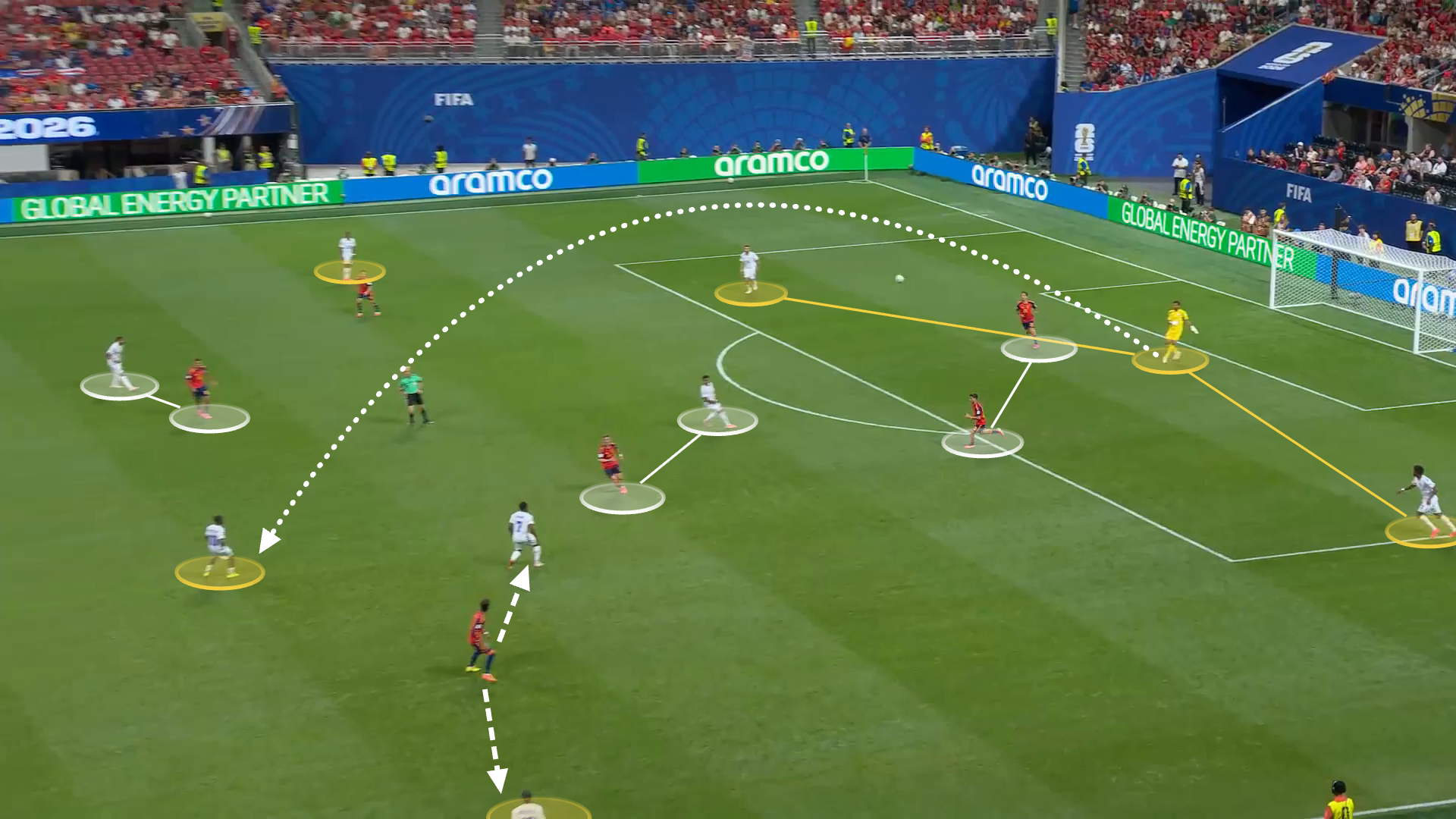
Here we see Cape Verde's brave but well-reasoned build-up play. They prioritise big distances, while looking to create numerical overloads. Spain's midfield four try to manage the two full-backs and four midfielders. Once Spain press, Cape Verde play it more directly - into attackers in space
Playing out from the back while keeping big distances between players increases the risk of losing the ball in dangerous areas. South Africa, against Mexico, and Iraq, against Norway, conceded goals from these situations.
They did however create numerous good chances too and better final actions could have swung the story of the game.
Football is a sport of trade-offs and when South Korea pressed South Africa high, the Bafana Bafana stuck to their principles, playing it forward in a more precise manner.
Once up the pitch, they attacked quickly and scored the goal that ensured they progressed into the next stage of the competition.
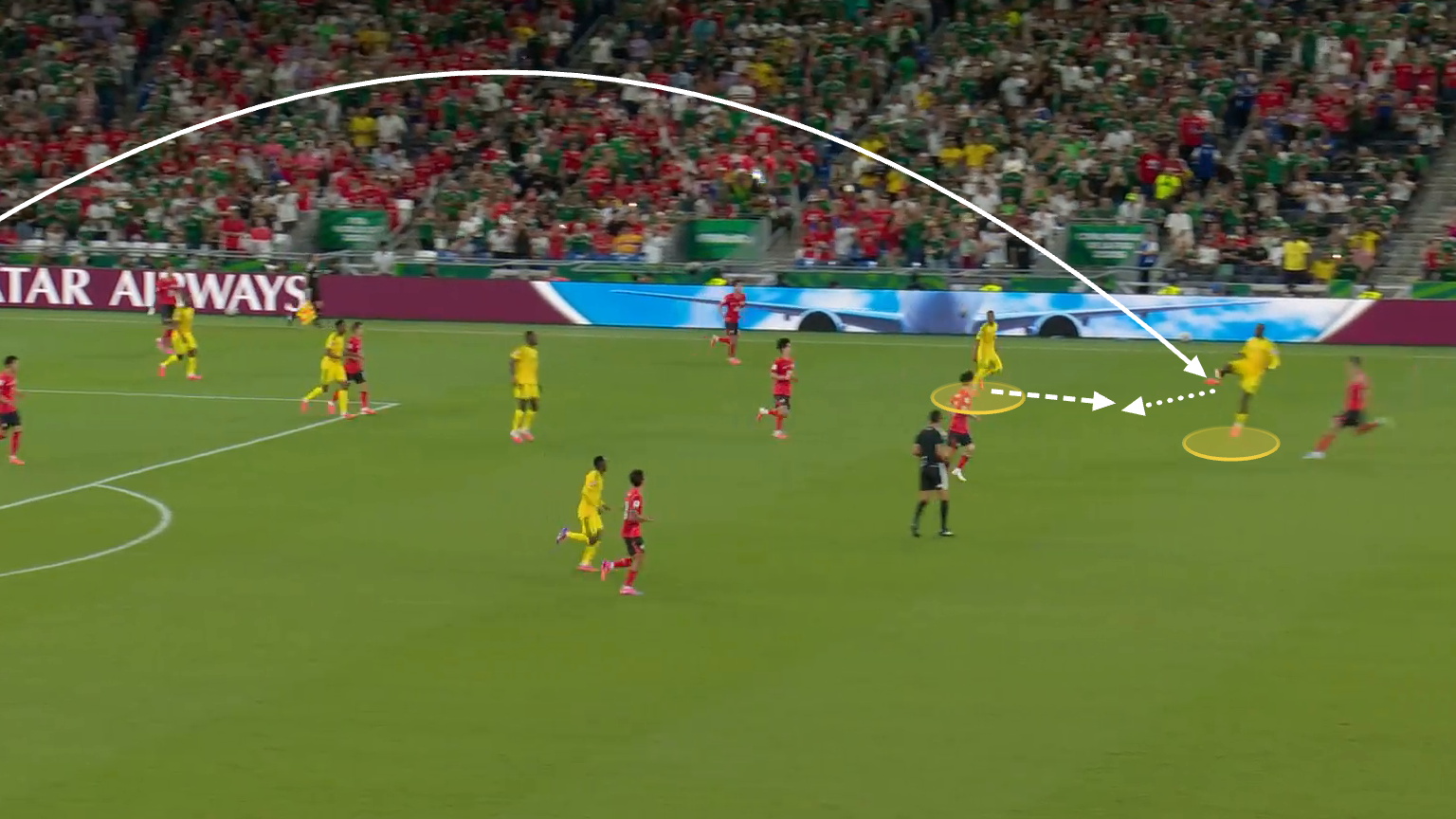
In the build-up to South Africa's goal, numerous South Korea players find themselves high up the pitch, looking to win the ball back quickly. A clever dink forward, over South Korea's press, finds South Africa three against one. After some impressive combination play, they get up the pitch quickly to score the winner
These examples highlight the increasing level of tactical quality nations possess, irrespective of their ranking.
Even with players of a lesser quality, teams can pose real challenges when setting up in the right way, pulling in a collective direction.
And even then, they probably need things to go their way.
In this tournament, 40 year-old keeper Vozinha captured the hearts of many for his brilliant shot-stopping display against Spain.
Curacao's keeper Eloy Room matched the World Cup record for most saves made in a game, at 15, to help his nation get their first point too.
Tactics can help the smaller nations bridge the gap and play on their own terms but the aura of the World Cup appears to bring out of players a level of performance that they perhaps did not know they possessed.

 English (US) ·