
 1 hour ago
5
1 hour ago
5
ARTICLE AD BOX
ByBen Chu
Policy and analysis correspondent, BBC Verify
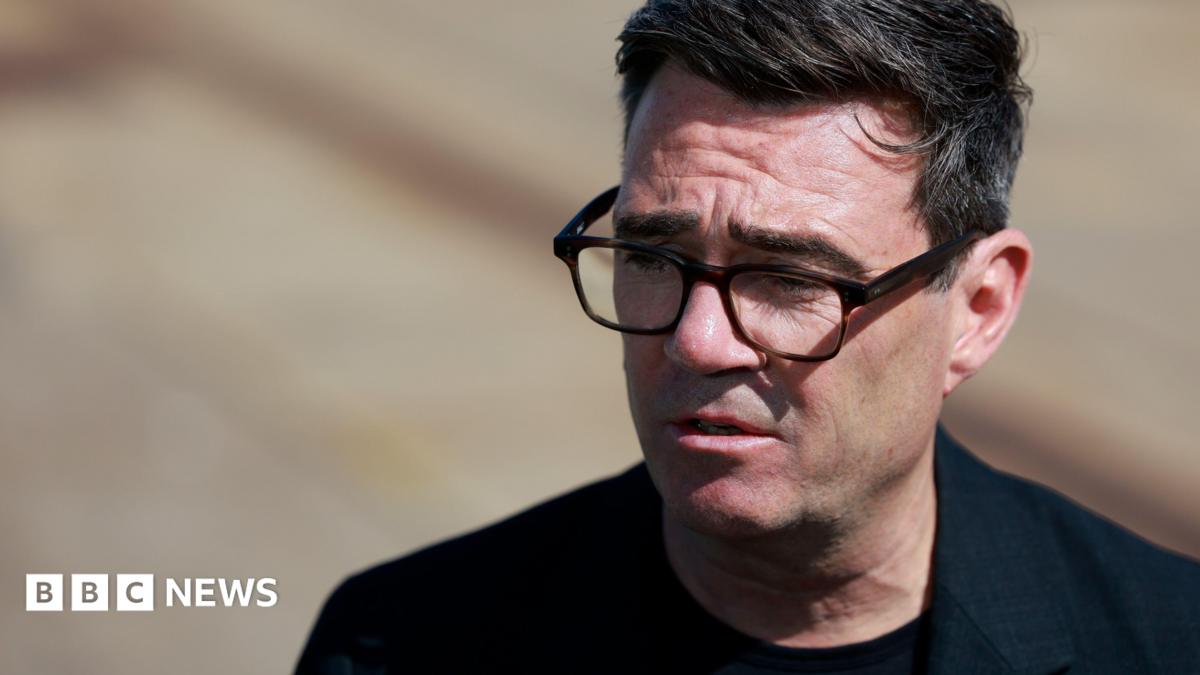
Prime Minister Andy Burnham has said he wants major reform of the social care system in England, calling the current situation "bad for everybody".
In a speech at a care home on Wednesday he announced that cross-party talks involving the Conservatives and Liberal Democrats would start later.
Burnham also said he had asked Baroness Casey - who is carrying out a review of social care - to bring forward her report by a year. She will now set out her recommendations in 2027.
He confirmed that her review will also look at the question of how to pay for any reforms.
BBC Verify has looked at four options for approaching reform and how much they could cost.
1. Cap on lifetime care costs
Some people face extremely high costs for care at the end of their life.
It has been estimated that around one in seven people aged 65 and over face lifetime care costs of more than £100,000.
One proposal is to cap these costs with the government picking up the bill above a certain cash threshold.
In 2011 a commission headed by the economist Andrew Dilnot proposed a lifetime cap of £35,000.
Dilnot estimated his proposed reforms would cost between £1.3bn and £2.2bn a year. The cost today would be higher due to inflation and the ageing population.
The Conservative-Liberal Democrat coalition government, led by David Cameron, accepted Dilnot's recommendations.
But after the 2015 general election, which delivered a Conservative majority, Cameron delayed the implementation of the cap to 2020 over what he said were pressures on the public finances.
 Image source, Getty Images
In 2017, when Theresa May was in No 10, the Conservatives' general election manifesto proposed a different way to reform social care.
This would have included the value of an individual's home in the means test used to decide what state funding they could get for care in their own homes.
It did not, initially, include any cap on lifetime care costs, with the manifesto saying this was more "equitable" than the Dilnot plan.
The May plan was branded a "dementia tax" by opponents and eventually dropped.
2. A more generous means test
In England people can currently qualify for local authority financial support in a residential care home if all their assets - including their home - are worth less than £23,250.
This is known as a means test - where the level of financial support a person gets is based on the value of their assets and savings.
Some have suggested this threshold should be raised significantly so that many more people would qualify for means-tested support.
Boris Johnson's Conservative government in 2021 planned to raise the means test threshold to £100,000.
The annual cost of Johnson's reforms would have been £1.8bn a year over three years - although this was expected to rise over time as more people qualified.
The Johnson government planned a new Health and Social Care levy to pay for the package, but this was eventually scrapped by his Conservative successors as prime minister, because they wanted to keep taxes down.
An alternative approach is to ensure that everyone who is eligible, based on their needs, should get state-funded personal care that is free at the point of use.
This would be provided free regardless of an individual's means and whether it was received by an elderly person in their own house or a residential care home.
Scotland has implemented such a system.
However, it's important to note that personal care takes in things like helping frail elderly people wash and dress and go to the toilet.
But it does not include accommodation, food and everyday living costs which are subject to means testing.
The Health Foundation think tank estimates that implementing a Scottish-style system in England would cost £7.5bn a year by 2036.
Like Scotland, Japan and Germany have systems which base entitlement to personal social care mainly on people's care needs rather than their ability to pay.
Japan and Germany though have a mandatory long-term care insurance system which is funded through contributions from workers and employers.
Both countries also do not usually cover the full cost of personal care so individuals are responsible for some of the expenses.
Some have suggested that the government should set up a national care service in England, similar in ambition to the NHS.
This would mean all personal care would be free at the point of use while establishing national standards and care entitlement criteria.
The Health Foundation has estimated the cost of creating a universal and comprehensive social care system in England would be around £19bn a year extra by 2036.
When Andy Burnham was health secretary in Gordon Brown's Labour government in 2010 he produced a plan for a national care service.
It was suggested this would be paid for through a compulsory contribution from people's estates after they'd died.
But the idea was branded a "death tax" by Labour's opponents. The party lost the 2010 general election and its proposals went no further.
In the 2024 general election Labour again proposed a "national care service" without providing details or how it would be funded.
And after the election then-Prime Minister Keir Starmer effectively kicked the issue into the long grass by commissioning Louise Casey to investigate social care reform and report back in 2028.
It's worth bearing in mind that these four approaches above are not mutually exclusive.
Previous reform proposals have often combined more than one of them - such as a cap on lifetime costs and a more generous means test.




 English (US) ·